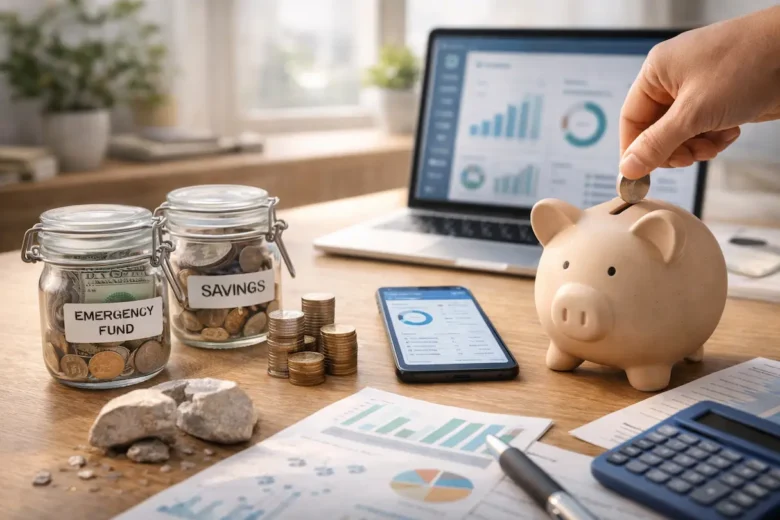
In a world where digital payments and instant online shopping are part of everyday life, saving money can sometimes feel difficult. Many purchases happen with just a tap on a screen, and it’s easy to spend without thinking too much about the long-term impact.
But financial stability usually depends on more than just income. Often, it depends on how well someone manages and protects the money they already earn.
Strong saving habits help create security, reduce financial stress, and make it easier to handle unexpected expenses. Whether you’re planning for long-term goals or simply trying to improve your daily money management, learning how to save consistently is one of the most valuable financial skills you can develop.
The good news is that saving money doesn’t require extreme sacrifice. Small habits, practiced regularly, can gradually build a stronger financial foundation.
This guide explores practical saving habits to improve financial stability over time.
Understanding the Mindset Behind Saving
Before focusing on specific strategies, it helps to understand the mindset that supports consistent saving.
Many people view saving as something restrictive. It may feel like giving up things you enjoy to store money away for the future.
A healthier approach is to view saving as a way to create options and freedom later in life.
Thinking About Opportunity Cost
One useful habit is considering the opportunity cost of spending.
For example, spending $100 today might seem harmless, but that same money could grow over time if saved or invested. While not every purchase requires profound analysis, pausing to consider future value can naturally reduce unnecessary spending.
Focus on Value, Not Just Price
Saving money does not mean eliminating everything enjoyable from your life. Instead, it means spending intentionally.
Many people find themselves happier when they spend on experiences or items they truly value, while cutting back on purchases that offer little real satisfaction.
Being selective about spending is often more effective than eliminating all non-essential expenses.
Pay Yourself First
One of the most effective saving habits is known as paying yourself first.
Instead of waiting to see what money remains at the end of the month, you move a portion of your income into savings immediately.
How It Works
- Decide on a percentage of income to save. Even starting with 5–10 percent can make a difference.
- Set up an automatic transfer from your main account to a savings account.
- Treat this transfer as you would any other important bill.
When savings happen automatically, there is less temptation to spend the money elsewhere.
Many individuals also find it beneficial to maintain their savings in a distinct account, separate from their daily spending card.
Review Your Subscriptions Regularly
Digital services have made life easier, but they have also introduced a common financial issue known as subscription creep.
Streaming platforms, mobile apps, online tools, and other services often charge small monthly fees. Individually, they may seem affordable, but together they can quietly add up.
Conduct a Simple Subscription Check
Every few months, review your bank or card statements and check for recurring payments.
Ask yourself a few simple questions:
- Do I still use this service?
- Is it worth the monthly cost?
- Could I replace it with a cheaper or free alternative?
Canceling rarely used services can quickly reduce unnecessary spending.
Some people also rotate subscriptions, keeping only one or two active at a time rather than paying for many simultaneously.
Use Waiting Rules to Avoid Impulse Purchases
Impulse buying is one of the greatest obstacles to saving money.
Online shopping and one-click purchases make it easy to buy something immediately without taking time to think about it.
A helpful solution is applying simple waiting rules before making non-essential purchases.
The 24-Hour Rule
For purchases above a certain amount—such as $50—wait 24 hours before completing the transaction.
The excitement of the purchase often fades, and the item no longer feels necessary.
The 30-Day Rule
For more expensive items, such as electronics or luxury purchases, waiting 30 days can provide greater clarity.
If the item still seems worthwhile after that period and fits within your budget, you can proceed with greater confidence.
Manage Food Spending More Carefully
Food is one of the largest and most flexible expenses in many households.
Small adjustments in this area can lead to noticeable savings over time.
Plan Meals in Advance
Planning meals for the week can prevent last-minute takeout orders or unnecessary grocery purchases.
A short weekly planning session can help you:
- Create a focused grocery list
- avoid food waste
- Reduce impulse purchases in stores
Pay Attention to Unit Prices
Most grocery stores display a unit price, which shows the cost per ounce or per gram.
Comparing unit prices often reveals that larger packages or alternative brands offer better value.
Avoid Shopping While Hungry
This advice may sound simple, but it works. Shopping while hungry often leads to buying snacks and convenience foods that were never part of the original plan.
Develop Simple Do-It-Yourself Habits
Modern convenience often encourages people to pay for tasks that can be done at home with a little effort.
Adopting a basic do-it-yourself mindset for small tasks can reduce everyday spending.
Everyday Examples
- Preparing coffee or meals at home instead of buying them daily
- Learning simple home maintenance tasks
- Washing or detailing your car yourself
- Creating thoughtful handmade gifts
These habits may seem small individually, but over the course of a year, they can save a meaningful amount of money.
Reduce Utility and Energy Costs
Utility bills are recurring expenses that can often be lowered with small changes in daily habits.
Adjust Temperature Settings
Heating and cooling systems typically account for a large portion of energy use.
Adjusting the thermostat slightly when you are away can reduce monthly energy costs.
Turn Off Unused Electronics
Some electronics continue drawing power even when they are turned off. Using power strips or unplugging unused devices can help reduce energy consumption.
Save Water Where Possible
Fixing small leaks, taking slightly shorter showers, and running full loads of laundry or dishes can lower both water and energy bills.
Turn Saving Into a Personal Challenge
Saving money becomes easier when it feels rewarding rather than restrictive.
Some people stay motivated by turning saving into small challenges or games.
Try a No-Spend Day or Weekend
Choose a day or weekend each month when you spend nothing on nonessential items.
Use what you already have at home, explore free activities, or focus on simple hobbies.
These short breaks from spending can highlight how often purchases happen automatically.
Use Round-Up Saving Tools
Many banking apps now offer round-up features. When you make a purchase, the app rounds the amount to the nearest dollar and places the difference into savings.
Although each transfer is small, these amounts can grow steadily over time.
Review Your Bills and Negotiate When Possible
Some recurring expenses may be flexible if you ask.
Internet providers, insurance companies, and mobile phone service providers often offer promotional offers or loyalty discounts.
Once a year, contact your service providers to ask whether there are any ways to reduce your monthly bill.
Even small reductions can add up to meaningful annual savings.
Address High-Interest Debt First
If you are carrying high-interest debt, such as credit card balances, paying it down should be a priority.
High interest rates can quickly cancel out the benefits of saving.
Two popular repayment approaches include the following:
Debt Avalanche Method
Focus on the debt with the highest interest rate first to minimize the total interest paid.
Debt Snowball Method
Focus on the smallest balance first to build motivation by quickly eliminating accounts.
Both strategies can be effective depending on personal preference.
Review Your Progress Regularly
Saving habits work best when they are reviewed occasionally.
Setting aside a few minutes each month to check your progress can help you stay aware of your financial situation.
During this review, consider questions such as:
- Did I meet my savings goal this month?
- Were there any unnecessary expenses?
- Are there upcoming costs I should prepare for?
Regular reviews help keep financial goals clear and prevent small issues from growing into larger problems.
Frequently Asked Questions
How much of my income should I try to save?
Many financial planners suggest saving at least 10–20 percent of income when possible. However, starting with a smaller percentage is perfectly acceptable if your budget is tight.
Is it better to save money or invest it?
Saving is useful for short-term goals and emergency funds, while investing is generally better suited for long-term growth. Many people use a combination of both strategies.
What is the easiest saving habit to start with?
Automating a small monthly transfer into savings is often the easiest place to begin because it requires very little ongoing effort.
Final Thoughts
Building strong saving habits takes time, but it does not require drastic changes overnight.
Small adjustments—such as reviewing subscriptions, planning meals, delaying impulse purchases, and automating savings—can gradually strengthen your financial situation.
The most important step is simply starting and staying consistent.
Over time, these habits create a stronger financial cushion, reduce money-related stress, and help you feel more confident about your future.