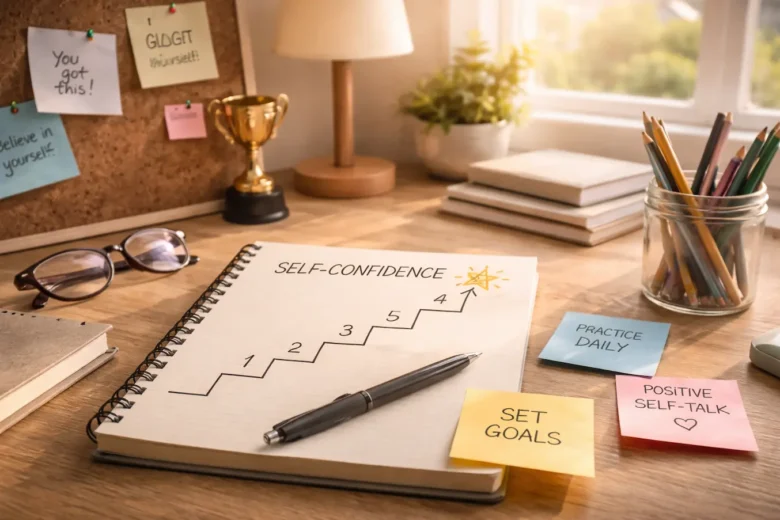
Self-confidence plays an important role in many areas of life. It influences how people approach challenges, interact with others, and pursue personal goals. Individuals who believe in their abilities often find it easier to take initiative, express their ideas, and recover from setbacks.
However, confidence is sometimes misunderstood. Many people assume that confidence is something a person is born with. According to this belief, some individuals naturally feel confident, while others must live with constant self-doubt.
In reality, confidence is much more flexible than that. It is a skill that can be developed over time through experience, habits, and mindset. Like many personal qualities, confidence grows when it is practiced regularly.
Building self-confidence does not mean eliminating fear or uncertainty. Instead, it means learning how to move forward even when those feelings appear. With patience and consistent effort, anyone can strengthen their confidence and develop a more positive sense of self.
This guide explains practical steps that can help you gradually build genuine self-confidence in everyday life.
Understanding What Self-Confidence Really Means
Before building confidence, it helps to understand what the term actually means.
Psychologists often describe two related concepts:
Self-esteem refers to how a person feels about their overall value and self-worth.
Self-efficacy refers to a person’s belief in their ability to complete specific tasks or solve problems.
True self-confidence usually develops when these two elements work together. A confident person not only values themselves but also believes they can handle challenges and learn new skills.
Confidence also grows through experience. Each time you attempt something new, gain knowledge, or overcome an obstacle, your belief in your abilities can increase.
This gradual process creates a positive cycle. Small successes lead to stronger belief, which encourages further action and growth.
Step 1: Pay Attention to Your Inner Dialogue
Many confidence struggles begin with negative self-talk. People sometimes develop an inner voice that constantly questions their abilities or focuses on mistakes.
Learning to notice these thoughts is the first step toward changing them.
For example, a person might think:
“I’m not good at speaking in front of others.”
Instead of immediately accepting this thought as fact, try examining it more carefully.
Ask yourself questions such as:
- Is this belief completely accurate?
- Have I handled similar situations successfully before?
- What evidence suggests I might improve with practice?
This type of reflection helps create distance between your thoughts and your identity. Over time, it becomes easier to replace overly negative thinking with more balanced perspectives.
Step 2: Build Confidence Through Small Achievements
Confidence grows most effectively through experience. When people regularly complete tasks and follow through on commitments, they begin to trust their abilities.
A useful strategy is to focus on small, manageable goals.
Instead of setting extremely difficult expectations, start with realistic, achievable actions.
Examples might include:
- reading a few pages of a book each day
- completing a short exercise routine
- learning a new skill step by step
- practicing a hobby regularly
Each small achievement reinforces the idea that you are capable of making progress.
As these small victories accumulate, larger goals begin to feel more attainable.
Step 3: Strengthen Skills and Knowledge
Another powerful source of confidence is competence. When people improve their abilities in a specific area, they naturally feel more comfortable and capable.
If you feel uncertain about a situation, consider learning more about it.
For example:
- Improving communication skills can boost confidence in social settings
- learning professional skills can increase confidence at work
- developing hobbies or interests can build personal pride and satisfaction
Knowledge and practice reduce uncertainty. As your skills grow, confidence often follows naturally.
Step 4: Improve Body Language
Body language strongly influences how we feel and how others perceive us.
Simple posture adjustments can affect both physical presence and internal mindset.
Some helpful habits include
- standing or sitting upright
- maintaining relaxed eye contact during conversations
- avoiding closed or defensive body positions
- speaking clearly and at a comfortable pace
These changes may seem small, but they can gradually influence how confident you feel in everyday interactions.
Over time, positive body language can reinforce a stronger sense of self-assurance.
Step 5: Create a Supportive Environment
The environment around you can strongly influence your confidence levels.
People often compare themselves to others, especially in online spaces. Constant exposure to unrealistic standards or overly polished online content can sometimes lead to unnecessary self-doubt.
Consider adjusting your environment to support a healthier mindset.
For example:
- Follow online content that is educational or encouraging
- Limit exposure to material that triggers negative comparisons
- spend time with individuals who are supportive and constructive
Positive environments make it easier to maintain motivation and self-belief.
Step 6: Step Outside Your Comfort Zone
Confidence grows when people challenge themselves in manageable ways.
Avoiding unfamiliar situations may provide temporary comfort, but it can also limit personal growth.
Taking small steps outside your comfort zone can gradually expand your abilities.
Examples might include:
- sharing your opinion in a discussion
- introducing yourself to new people
- trying a new activity or learning opportunity
- volunteering for a task at work
These experiences may feel uncomfortable at first, but they often lead to valuable learning and increased confidence.
Each successful step makes the next one easier.
Step 7: Practice Self-Compassion
Many people believe that being highly critical of themselves will lead to improvement. In reality, constant self-criticism can reduce motivation and increase anxiety.
Self-compassion involves treating yourself with the same understanding and patience that you would offer a close friend.
When mistakes happen, instead of focusing only on failure, consider what can be learned from the experience.
Everyone makes mistakes while learning new skills or pursuing goals. Viewing these moments as part of the learning process helps maintain confidence over the long term.
Step 8: Present Yourself in a Way That Feels Positive
The way people present themselves can also influence how they feel internally.
Wearing clean, comfortable clothing that reflects your personal style can create a sense of readiness and self-respect.
This does not require expensive fashion or a perfect appearance. The goal is to simplify your clothing and grooming habits, so you feel prepared and comfortable.
When people feel good about how they present themselves, it can positively influence their interactions and mindset.
Maintaining Confidence Over Time
Confidence is not a one-time achievement. Like many personal qualities, it requires ongoing attention.
Regular reflection can help maintain a healthy perspective.
Some people find it useful to review their progress at the end of the day by asking simple questions:
- What did I handle well today?
- What did I learn from today’s experiences?
- What small step can I improve tomorrow?
These reflections encourage continued growth and prevent small challenges from becoming discouraging.
Frequently Asked Questions
Can someone build confidence even if they feel naturally shy?
Yes. Many confident individuals describe themselves as naturally shy or introverted. Confidence does not require a loud or outgoing personality. It simply means believing in your ability to handle situations and express yourself when necessary.
How long does it take to build self-confidence?
Confidence usually develops gradually. Some improvements may appear within weeks as new habits form, while more significant changes can take longer. Consistency and patience are important.
What if past experiences have damaged my confidence?
Past experiences can influence how people view themselves, but they do not determine the future. By developing new habits, learning skills, and focusing on small successes, it is possible to rebuild confidence over time.
Final Thoughts
Self-confidence is not a mysterious quality that only a few people possess. It is a skill that grows through experience, effort, and supportive habits.
You can gradually strengthen your confidence by recognizing negative self-talk, setting achievable goals, enhancing your skills, and gradually venturing beyond your comfort zone.
Progress may be gradual, but every small improvement contributes to a stronger sense of self-belief.
With patience and consistent effort, anyone can develop the confidence needed to pursue goals, face challenges, and continue growing throughout life.